
AgriTech & Hydroponics
Innovation Grows in Our School & Community
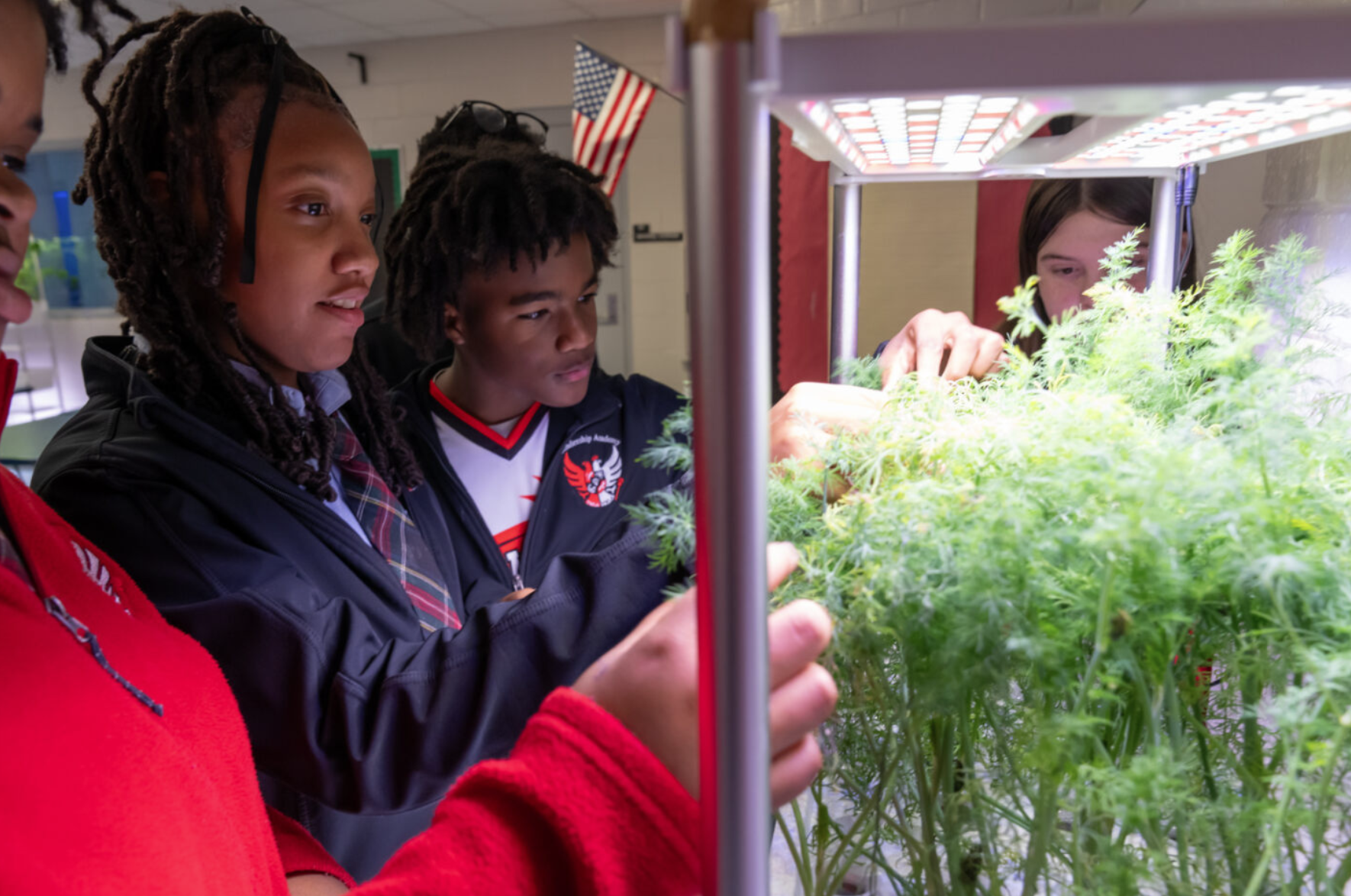
Our hydroponics lab and gardens provide students with the opportunity to observe, experiment, and actively participate in the growth of plants. Hydroponics in education also nurtures critical thinking skills as students may encounter various challenges throughout the hydroponic growing process, explore Earth’s food insecurity, sustainability impact, B2B sales strategies, and more!
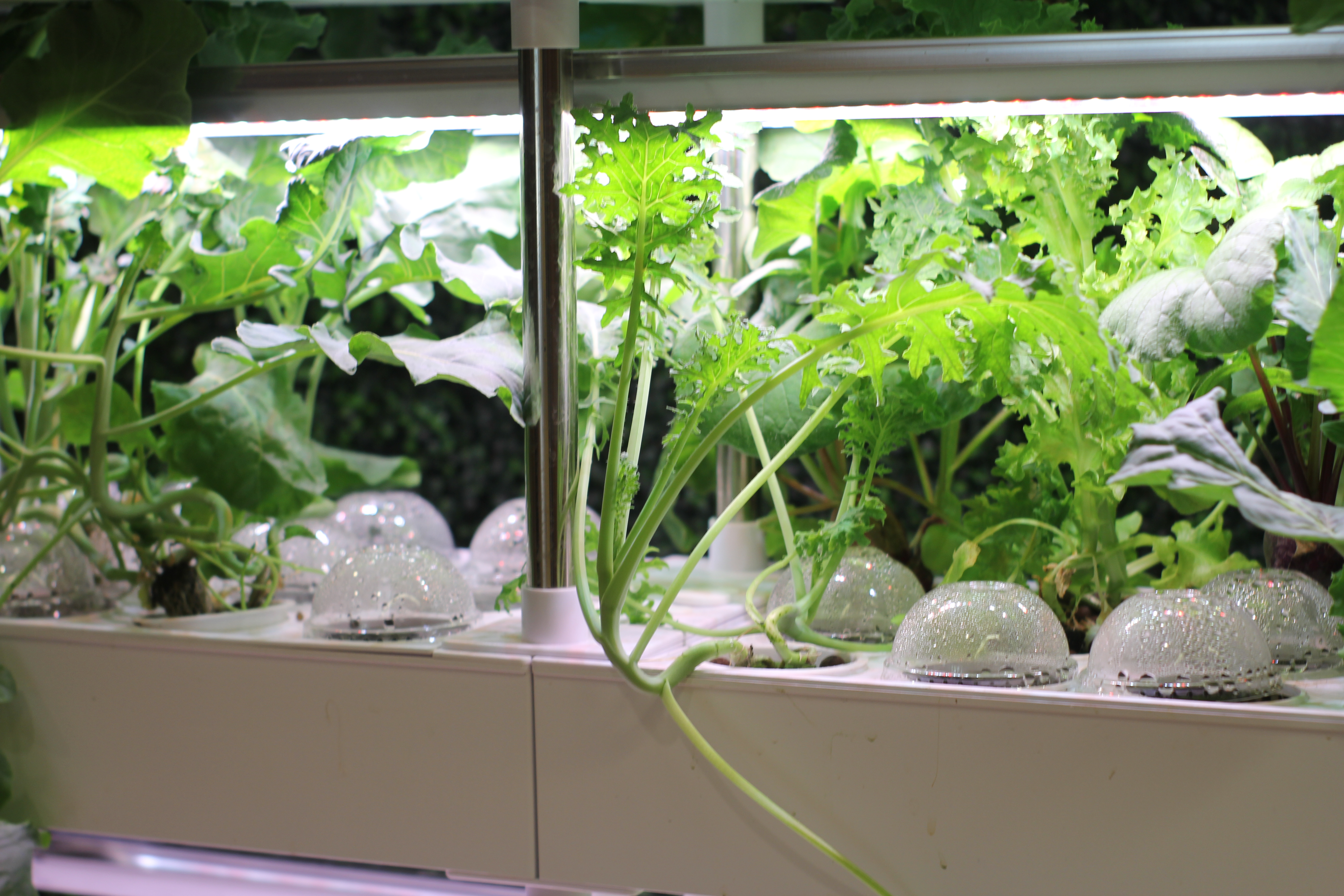
Hydroponics, in its simplest form, is growing plants by supplying all necessary nutrients in the plants’ water supply rather than through the soil. The word derives from the Greek root words “hydro,” meaning water, and “ponics,” meaning working. Growing plants hydroponically helps gardeners and farmers grow more food in smaller areas (classrooms, greenhouses, rooftops, and living rooms, for instance) and to produce food in parts of the world where space, good soil, and/or water are limited.
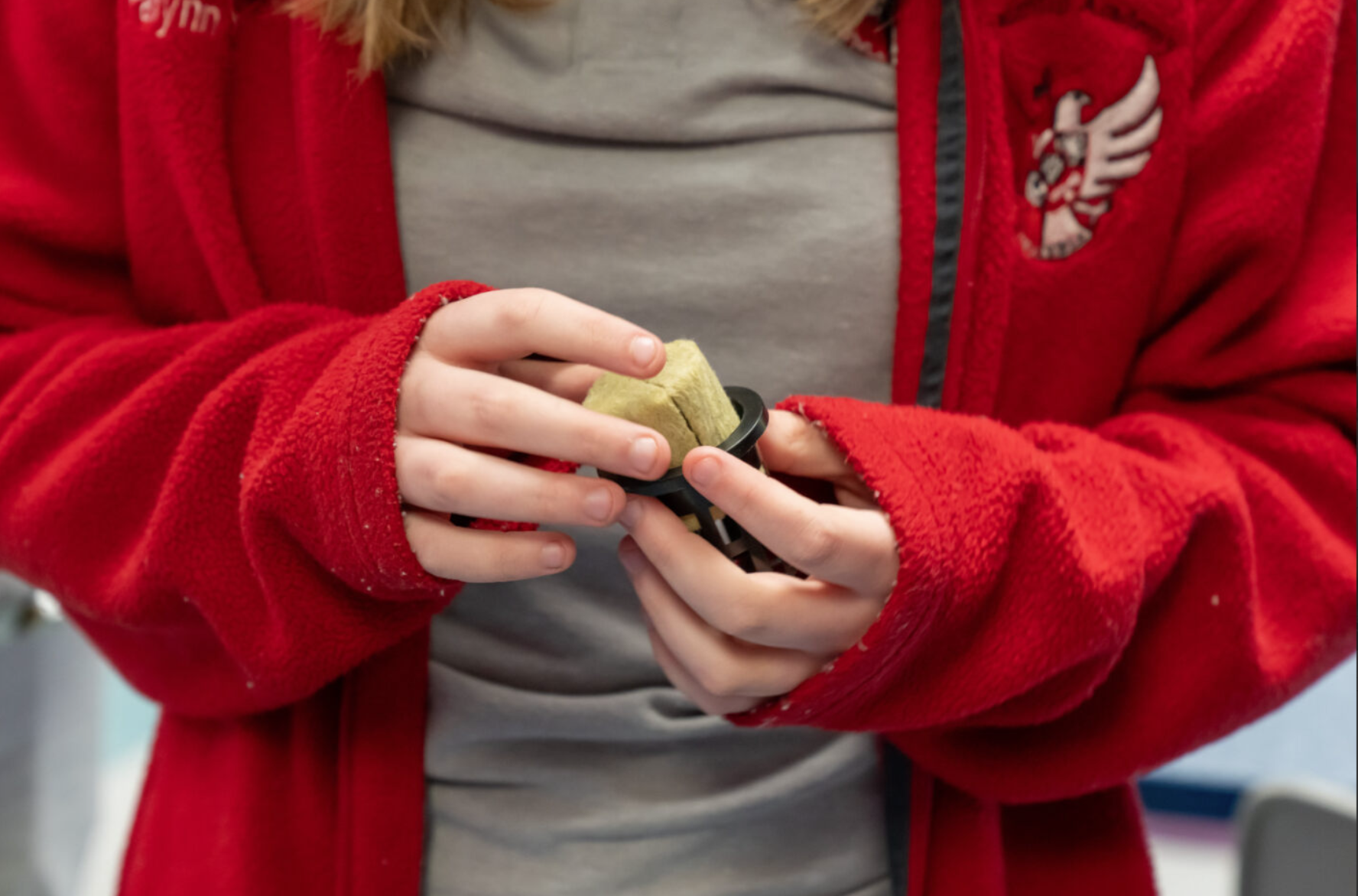
Seed to Plant
An overview of the parts of a seed and what each part does to help the seed survive and grow into a plant.
How to Feed the Planet
Today, two billion people worldwide face food insecurity, and agricultural demand is at a 70 percent increase. Students are encouraged to explore solutions to reduce the gap, ensure more people have access to fresh food, and find ways to realistically feed 7.8 billion people.
Plants and Its Life Cycle
Through hydroponics, our students can explore the biological processes involved in nutrient uptake, photosynthesis, and plant anatomy.
Harvesting
How long does it take from seed to harvest for various crops? What are the procedures for safely harvesting the fresh foods grown in your hydroponic garden and then how do you clean, store, and share the fresh food? Did you know that on average, lettuce growing outdoors takes 60-72 days from seed to harvest, yet lettuces grown hydroponically in a Flex Farm need 28 days from seed to harvest?
Composting
With sustainability at the heart of hydroponic growing, our students are introduced to green and brown materials, decomposers, micro and macro-organisms, and the benefits of composting.
Food Nutrition
Students learn the process of packaging and food labeling. This is an introduction to nutrition and healthy eating habits.
Falcon Farms
Students learn how to establish relationships with local businesses and organizations to sell the yield of the crops.